


















Trends are constantly changing. One month, a certain style, product, or challenge seems unimportant, and the next month it feels like everyone is talking about it. Right now, for example, many people are excited about squishy toys like NeeDohs. NeeDohs are super soft dough filled with groovy globs and are often used as fidget toys. Stores are often out of stock, and they appear all over social media platforms such as TikTok. Soon, this trend may fade and be replaced by something new. Even so, the pattern remains the same, society consistently feels the pressure to keep up. This pressure exists because of our desire to belong, the influence of social media, and the role trends play in shaping identity and status.
At the heart of it, the need to follow trends often comes down to belonging. According to the “Psychology behind trends” by Austin Procel he states that “Our need to belong is not mentally constructed, but it is already programmed into us.” People naturally want to feel included. When everyone around is talking about the same product or participating in the same trend, it can feel uncomfortable to be the only one who is not. Trends often become social signals. They show that a person is aware of what is happening around them and that they are part of the group. Keeping up with trends allows people to stay socially connected.
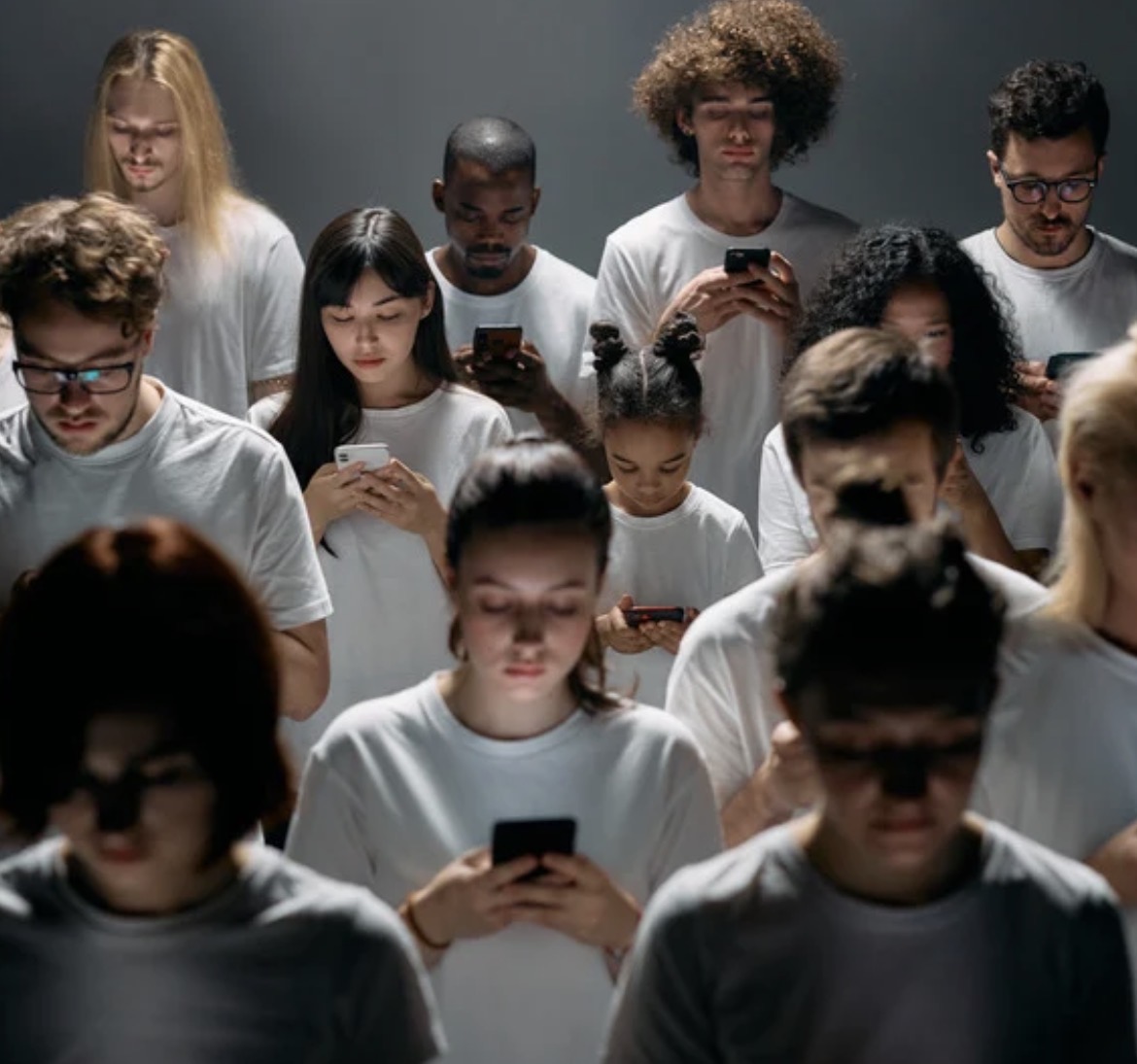
Social media has made this pressure even stronger. Platforms like TikTok and Instagram can turn simple items into must-haves almost instantly. According to a Pew Research Center Survey Article done on March 6, 2026 about 63% of teenagers use TikTok, showing how quickly trends can spread among young audiences. Once trends start to gain attention, more people see it and make it a bigger deal than it might actually be. When we scroll and see the same product again and again, our brains begin to feel like we need it. Watching others enjoy something can create a fear of missing out, which pushes people to join in, whether it’s making slime out of squishies on TikTok or posting nostalgic photos on Instagram.
Trends are also tied to identify. Especially for younger generations, what you wear or buy can feel like an extension of who you are. Following trends can be a way to experiment with styles, interests, or personality. Having the “it” item of the moment suggests that you are connected to what is popular. Because of this, companies take advantage of trends by introducing limited versions of products. This strategy encourages people to buy quickly before items sell out. Over the past few months, this can be seen with skincare brands like Summer Fridays, Rhode, and Rare Beauty, as well as clothing brands like Lululemon, Sp5der,and White Fox that are very popular with young adults.
In the end, society’s need to keep up with trends is not really about the trends themselves. It is about connection, comparison, and the desire to feel seen. Trends like the current NeeDoh phase may seem small, but they show how easily people can be influenced to buy something because it is popular. As trends continue to spread quickly, people should pause and think Do I want this because it truly appeals to me or am I just following the crowd? By thinking carefully before joining a trend, we can enjoy popular culture without letting it control our choices.