


















Each spring, students at Hillcrest High School prepare for prom, one of the most anticipated events of the year. But what was once a simple celebration has turned into something much bigger—and much more expensive. Prom today is no longer just a dance; it has become a costly social performance shaped by pressure, expectations, and the desire to fit in. One prom ticket and outfit can cost more than a full year of streaming subscriptions like Netflix or Spotify.
From dresses and suits to tickets, hair, makeup, dinner, and transportation, prom night can cost hundreds or even thousands of dollars. Some students go beyond the basics, renting limousines or party buses to create a memorable entrance. What used to be a school event has evolved into a full-scale production, where every detail is carefully planned.
Recent estimates suggest families can spend over $1,000 on prom-related expenses. At Hillcrest, prom tickets are about $90 per student, but that is still only one part of the total cost. While some schools prices are much higher like Cristo Rey Jesuit Highschool in Chicago whose tickets are $180 showing how quickly expenses can increase depending on the location and expectations. This difference highlights how prom costs can vary widely, but in both cases, the event represents a significant financial commitment.
Along with rising costs comes increased social pressure. Many students feel that prom is not just about attending, but about how they present themselves. As one student said in a BBC interview “ The price of school prom is extortionate” , prom has become “more showing off than the experience,” focusing on who has the best outfit or the most impressive plans.
Mr. Johnson, a counselor at Hillcrest Highschool believes that “People shouldn’t spend money that they don’t have, they shouldn’t go into debt”.
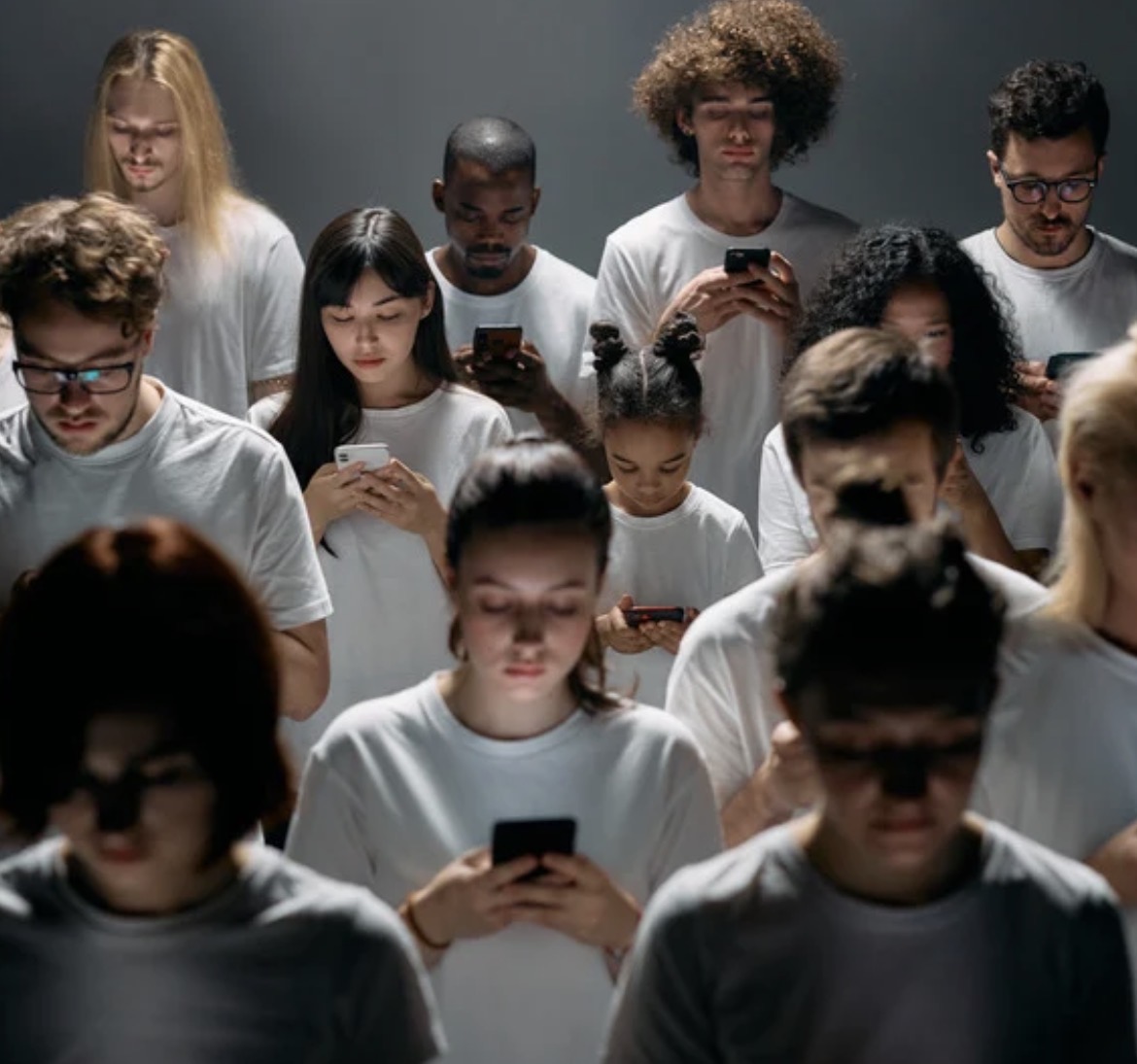
Social media has intensified this pressure. Platforms like Instagram and TikTok encourage students to showcase every detail, from outfits to transportation. Photos and videos are often planned in advance, adding another layer of expectation. As a result, students may feel pressure not only to attend prom, but to make their experience look impressive online.

Schools themselves also contribute to the rising scale of prom. Upscale venues, professional photography, and elaborate decorations can enhance the experience, but they also increase the overall cost. While these additions create a more memorable event, they can also make prom feel less accessible for students who cannot afford the extra expenses.
Even with these challenges, participation remains high. “Many students describe prom as a once-in-a-lifetime experience and an important part of senior year” said A’yahmi Shorty, a senior at Hillcrest Highschool. For some, skipping prom can lead to feelings of exclusion or regret, especially when peers continue to talk about it long after the night is over. From my experience, I wasn’t planning to go but my parents are making me since they believe that I will regret it in the future. This emotional significance helps explain why students are willing to invest so much time and money into a single event.
In the end, prom is more than just a dance. It reflects the pressures, expectations, and values of modern high school culture. While the cost and competition surrounding it continue to grow, its importance lies in the shared experience and the meaning students give to one final night together. For many, prom is not just about how it looks, but about the memories created and the sense of belonging it provides at the end of their high school journey.