


















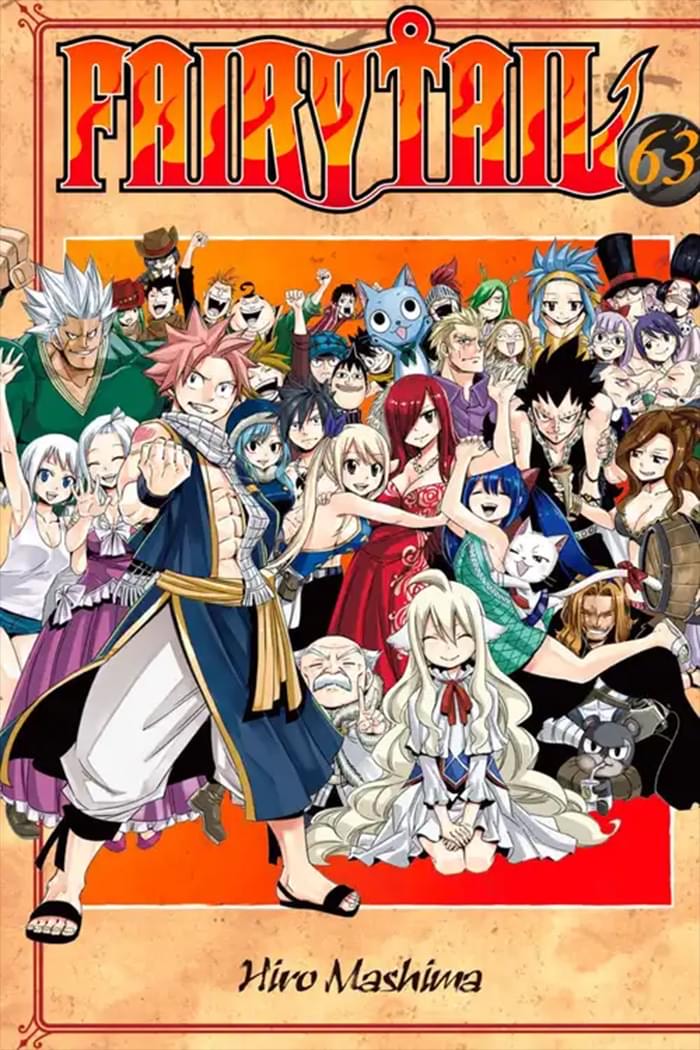
Fairy Tail is a shonen anime adaptation that debuted in 2009 and has 9 seasons with two spin-off shows. The original manga was written and drawn by Hiro Mashima, who is also known for mangas such as Rave Master and Edens Zero. While Fairy Tail has died down in popularity as more and more anime become mainstream, it was a staple of the 2010’s anime culture and deserves to still be remembered and watched today.
For a brief synopsis, Fairy Tail is set in a fantasy world occupied by humans, wizards, and dragons. Guilds are formed between allied wizards to take on jobs, maintain security, and be considered legal guilds under the Wizard Council. Guilds that do not abide by the rules set by the Wizard Council are listed as dark guilds, with multiple of these dark guilds appearing throughout the story as antagonists. The two protagonists of the series are Lucy and Natsu Dragneel. Lucy is a teen girl and aspiring wizard who wants to join the famous guild Fairy Tail and collect all 12 Golden Keys, which she can use to summon celestial spirits as a part of her magic ability. Natsu is introduced as a light-hearted young man who gets sick on transportation and is accompanied by his talking blue cat, Happy.
While the audience is led to believe Natsu is another rookie wizard similar to Lucy, it is revealed that he is the legendary “Salamander of Fairy Tail”, one of their most infamous members for his fire dragon slayer magic and the unnecessary property damage caused in his battles. Mashima establishes both of the characters’ goals expertly within the first chapter/episode as Natsu is also searching for Igneel, a fire dragon and Natsu’s “father”. The show holds no punches as the audience is thrust into a ridiculous world filled with talking cats, perverted cow-men, large explosions, and sharp, conversational humor that develops the characters in non-important scenes.
One of the biggest draws (and my personal favorite thing about Fairy Tail) to the series is the large main cast of misfits in the Fairy Tail guild. If you enjoy the series, you are bound to attach yourself to at least one member of Fairy Tail as their charming personalities, complex motivations, and interesting backstories make them come off as realistic people rather than just stereotypes or tropes, which are often used in anime for side characters. The other major supporting characters and villains outside of Fairy Tail are often extremely well-developed as well, despite their varying amounts of screen time depending on the character.
One of the key writing choices by Mashima is to implement a lot of his own life (specifically in regards to the death of his father at an early age) in his characters’ writing and dialogue, making their situations feel tragic and their mentality understandable even when they are villains.
In regards to the anime, poignant music often emblematic of Celtic melodies help deliver the mood of the scene, with iconic tracks like “Dragon Force” being particular standouts during fight scenes. While the animation is around the quality of its time and may not be up to the level people have received from anime like Jujutsu Kaisen, it has aged well and still delivers during crucial moments.
So far, this series may interest you, but it’s only fair that I tell you the major faults of the series. While many have complained about the “power of friendship” being used as a plot device in the show — to the point where Fairy Tail is practically synonymous with that phrase — magic in the show is explicitly explained to be powered by emotions and most fights are won through skill and one will overpowering the other.
Now, my biggest gripe with the series is its excessive use of fanservice. While many anime and other mediums use fan service explicitly to draw in the male fans, Fairy Tail awkwardly implants important scenes into the fanservice, forcing you to watch uncomfortable scenes in uncomfortable situations unless you want to be confused on what’s happening later in the arc. If you don’t really care about excessive fanservice, then the series might be even better for you. If you do, I’d recommend you either skip a lot of scenes or find a different show to watch.
Besides the mass amounts of fanservice, most of the other problems with Fairy Tail are ones that many manga deal with due to having to release on a weekend schedule. The ending is very rushed in the manga (although the anime fixes it slightly), the final villain isn’t as well developed as previous ones, certain arcs are far worse than others, and the series starts to drag after the second time skip.
You may ask why I would even recommend the series if it isn’t very relevant anymore in the anime community, and I’d tell you that this series is the essence of 2000’s anime hope core. Despite its weaknesses, it manages to evoke a sense of community and power through its wide cast of characters who work to improve the world one mission at a time. Even amongst juggernauts of the industry like Naruto, One Piece, and Bleach, Fairy Tail managed to stand out as a defining anime that has gotten many young teens into the media form since it initially started.
While there are many flaws with Fairy Tail, I would still recommend the series as it truly captures the vibes of a loving found family united by their love for each other and adventure better than almost any other series I’ve ever consumed. If you’re interested in watching the series, Fairy Tail is on Crunchyroll, Hulu, Prime Video, Apple TV, and Netflix. If you finish reading/watching the series and you want to see more of your favorite characters, then I’d recommend you watch the sequel series Fairy Tail: 100 Years Quest.
Thank you for reading and I hope you enjoy reading or watching Fairy Tail if you choose to do so!








Mrs. Case • Apr 29, 2026 at 9:10 am
I love how thorough this review is and that you show both the upsides and drawbacks to the series. Thanks for the recommendation.