


















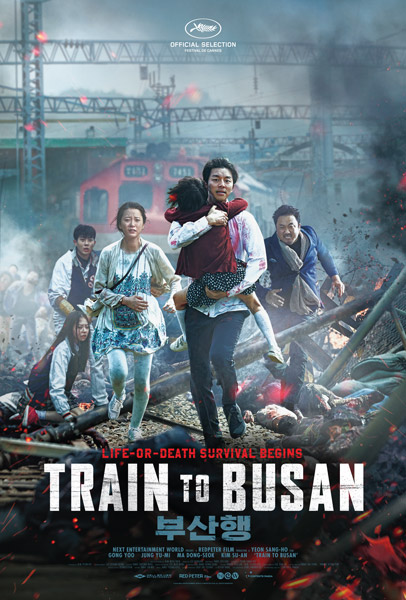
Train to Busan (2016), directed by Yeon Sang-ho, is a South Korean action-horror film that has gained international recognition for its storytelling and emotional depth. Although it features fast-paced zombie action, the movie is ultimately a study of human behavior during crisis and how they act under pressure, as well as many alluring themes.
The film follows Seok-woo, a busy father, who reluctantly takes his young daughter Su-an on a train ride from Seoul to Busan. Their journey takes a turn when a viral outbreak turns infected passengers into violent zombies. As the infection spreads from train car to car, the remaining passengers must work together in order to survive. The train setting creates constant tension and forces characters into difficult decisions. Therefore, this South Korean thriller provides many themes.
One of the main themes of the film is selfishness versus selflessness. Some characters risk their lives to help others, while some endanger everyone through fear and greed. This creates many controversies during the movie, but these contrasts encourage viewers to think about how they might act in similar situations. This helps make a connection to the real world, and can be applied in certain situations. Some issues that relate to this specific theme are current world leaders that are choosing to provide for themselves over their citizens. Another important theme is family and sacrifice. Seok-woo’s relationship with his daughter is progressively demonstrated throughout the film, showing his transformation from a distracted, work parent into someone willing to protect others. Throughout the film, Soekwoo is always busy with work and does not make time to spend with his daughter. His daughter is always begging him to hang out, for example, we can see that in the beginning scenes before they board the train. Another example in the film where their relationship status is shown is at the end of the movie, where he sacrifices himself to save his daughter. This emotional development gives the story depth beyond its action scenes, as some viewers may relate to this. But why was this film so successful?
Train to Busan succeeded because it combined thrilling action with multiple character development. The film’s pacing keeps viewers engaged, while its emotional moments leave a lasting impact. Viewers can explore not only its plot, but also its message about empathy, cooperation, and the value of human life. This is due to the human mind, empathy is key when in doubt. This film perfectly portrays this revolving theme.
Overall, Train to Busan is more than a zombie movie. It is a powerful story about survival, responsibility, and compassion. Its mix of excitement and thoughtful themes makes it a valuable exploration of human nature when under pressure. This film portrays a very important message: the strength of society depends on the willingness of individuals to protect one another.